
Posted by Gray Beard Staff on Apr 8th 2026
Appendix Carry: Pros, Cons, and Safety Tips
Introduction — Why Appendix Carry Is So Popular
Appendix carry, often called AIWB (Appendix Inside the Waistband), has become one of the most popular concealed carry methods in recent years. More and more firearm owners are choosing this position because of its speed, concealment, and control.
Unlike traditional carry positions on the hip, appendix carry places the firearm in the front of the body, typically between the 12 o’clock and 2 o’clock position. This forward placement changes how the firearm is drawn, concealed, and managed throughout the day.
For many carriers, appendix carry offers a level of accessibility that other positions simply can’t match. The draw is direct, efficient, and easier to perform from a seated position—something that matters in real-world scenarios like driving.
At the same time, appendix carry is one of the most debated carry styles. Some people swear by it, while others have concerns about comfort and safety. The truth is, appendix carry can be an excellent option—but only when done correctly, with the right holster and proper technique.
In this guide, we’ll break down the pros, cons, and safety considerations of appendix carry, so you can decide if it’s the right choice for your everyday carry setup.
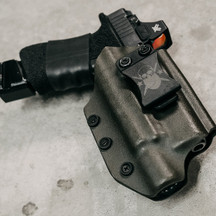
If you’re considering making the switch, having the right gear matters. You can explore appendix-ready Kydex holsters from Gray Beard Holsters, designed for secure retention, comfort, and consistent performance.
The Pros of Appendix Carry
Appendix carry has gained popularity for good reason. When set up correctly, it offers several advantages that make it one of the most effective concealed carry positions available.
Faster Draw Speed
One of the biggest benefits of appendix carry is speed. Because the firearm is positioned in front of the body, the draw motion is more direct and requires less movement compared to other carry positions.
This can make a noticeable difference in situations where quick access matters. Many carriers find they can achieve a faster and more consistent draw with appendix carry after proper practice.
Excellent Concealment
Appendix carry can provide superior concealment, especially when paired with the right holster. Positioning the firearm in front of the body allows the grip to sit closer to your natural body line.
With features like a concealment claw, the grip is pushed inward, reducing printing and making it easier to conceal even under a simple t-shirt.
For many people, this makes appendix carry one of the best options for low-profile everyday carry.
Better Control and Awareness
Carrying in the front of the body keeps your firearm within your natural field of view and reach. This can make it easier to maintain awareness and control of your firearm, especially in crowded environments.
Because the firearm is positioned in front, it’s also harder for someone to access it without you noticing.
Easier Access While Seated
Appendix carry is one of the few positions that allows for relatively easy access to your firearm while sitting or driving.
Unlike strong side or behind-the-hip carry, where seatbelts and chairs can block access, appendix carry keeps the firearm in a more accessible position throughout the day.
The Cons of Appendix Carry
While appendix carry offers several advantages, it’s not the perfect solution for everyone. Understanding the potential drawbacks will help you decide if it’s the right fit for your body type, lifestyle, and comfort level.
Comfort Challenges
One of the most common complaints about appendix carry is comfort, especially when sitting or bending forward. Because the holster is positioned in the front of the body, it can press into the abdomen depending on your posture and body type.
This can usually be improved with a well-designed holster that includes features like rounded edges, adjustable ride height, and proper positioning. However, appendix carry may still require some trial and error to find a setup that feels right.
Requires Proper Holster Design
Appendix carry is less forgiving when it comes to holster quality. A poorly designed holster can lead to discomfort, poor concealment, or inconsistent retention.
To work well, an appendix holster should include:
-
a rigid structure that maintains its shape
-
adjustable retention
-
a concealment claw to reduce printing
-
smooth edges for comfort
Without these features, appendix carry can quickly become frustrating or impractical.
Steeper Learning Curve
Compared to other carry positions, appendix carry can take more time to get used to. The draw angle, positioning, and overall feel are different from traditional strong side carry.
New users may need to spend extra time practicing their draw and adjusting their holster position to find what works best for them.
Safety Concerns (When Done Incorrectly)
Appendix carry is sometimes criticized due to safety concerns, primarily because of the direction the firearm may be pointed during holstering.
However, this risk is largely dependent on user behavior and equipment. Using a high-quality holster that fully covers the trigger guard and allows for safe, controlled reholstering greatly reduces this risk.
Proper training and disciplined handling are essential no matter where you carry, and appendix carry is no exception.
Appendix Carry Safety Tips
Safety should always be the top priority when carrying a firearm, and that’s especially true with appendix carry. When done correctly—with the right gear and proper habits—appendix carry can be just as safe as any other method.
Use a Quality Holster
The foundation of safe appendix carry is a well-made holster. Your holster should:
-
fully cover the trigger guard
-
maintain a rigid shape (no collapsing)
-
provide secure, consistent retention
-
stay firmly attached to your belt
Kydex holsters are ideal for this because they hold their shape and allow for safe, one-handed reholstering without interfering with the trigger.
At Gray Beard Holsters, appendix-ready Kydex holsters are designed to provide that level of security and reliability for everyday carry.
Keep Your Finger Off the Trigger
This is a fundamental rule of firearm safety, but it’s especially important during the draw and reholstering process.
Always keep your finger completely outside the trigger guard until you are ready to fire. Building this habit eliminates one of the most common causes of negligent discharges.
Reholster Slowly and Deliberately
There is no reason to rush when reholstering your firearm.
Appendix carry requires you to be intentional and controlled when placing the firearm back into the holster. Move slowly, visually confirm the holster is clear of obstructions, and guide the firearm straight into place.
Speed matters during the draw—not during reholstering.
Check for Obstructions
Before reholstering, make sure nothing is interfering with the holster opening. Clothing, drawstrings, or debris can potentially enter the trigger guard area if you’re not paying attention.
Taking a moment to check ensures a clean and safe reholster every time.
Train with Your Setup
Consistency builds safety. Spend time practicing with your holster setup so that your draw and reholstering process become second nature.
Dry fire practice (with proper safety precautions) can help you build confidence and muscle memory without live ammunition.
Final Thoughts — Is Appendix Carry Right for You?
Appendix carry has earned its place as one of the most popular concealed carry methods for a reason. It offers fast access, strong concealment, and consistent control—all of which are critical for everyday carry.
At the same time, it’s not a one-size-fits-all solution. Comfort, body type, daily routine, and personal preference all play a role in determining whether appendix carry is the right choice for you.
For those willing to invest in the right setup and take the time to practice, appendix carry can be one of the most effective and reliable ways to carry a firearm. The key is using quality equipment and safe handling habits.
A well-designed Kydex holster makes a significant difference. With proper retention, a rigid structure, and concealment features like a claw, you can carry confidently while maintaining both comfort and safety.
At Gray Beard Holsters, appendix-ready Kydex holsters are built for real-world use—designed to provide dependable retention, durable construction, and all-day comfort for concealed carriers.
If you’re looking to improve your carry setup, appendix carry is worth considering—and with the right holster, it can quickly become your preferred method.